Ready or not: Where trends meet real event innovation
When trendwatcher Tom Palmaerts and our co-founder Steve Segers were invited to deliver a keynote on the future of events during ADM's Member Gathering at BluePoint Antwerp, they asked themselves one simple question: “Why tell people about the future of events when you can let them experience it?”
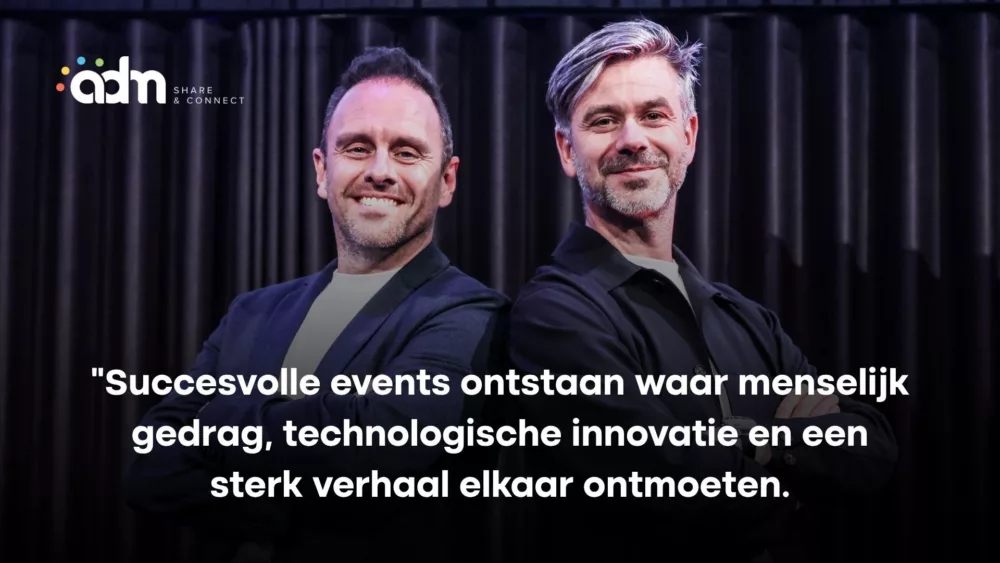
Instead of simply talking about the future of events, they turned the keynote into a live demonstration of it. Tom unpacked the societal shifts reshaping our world, while Steve showed how event technology is already responding to those changes: from AI-powered translation and emotion tracking to digital badges, Metaboxes and venues becoming an active part of the experience rather than just the backdrop.
Discover the main takeaways below. 👇
We're living in permanent survival mode.
We're no longer dealing with isolated crises. We're navigating a continuous state of change, uncertainty and pressure. That doesn't just change how we live and consume, it also changes how we connect and should organise events.
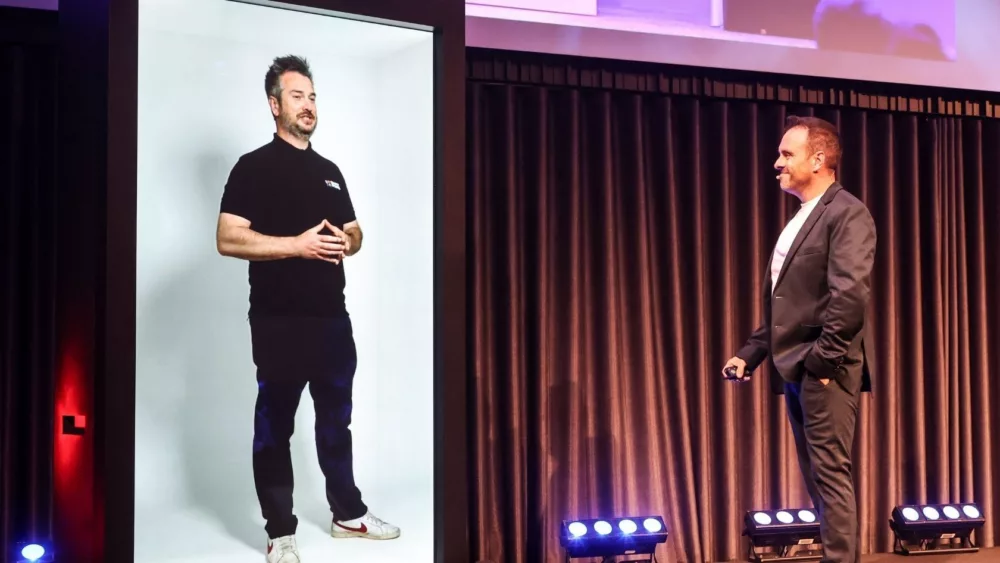
Steve demonstrated how technology can help us adapt without compromising the experience. Enter the MetaBox: a compact mobile studio that brings speakers or products onto the stage in life-size from a remote location. By bringing our colleague Filip on stage from elsewhere in the venue, Steve showed how the technology can solve cost constraints, busy schedules and sustainability challenges without sacrificing the live connection.
AI is transforming the job market. So let's put it to work.
Yes, AI is transforming every industry – and events are no exception. Rather than fearing it, Steve encouraged the audience to embrace it where it genuinely adds value.
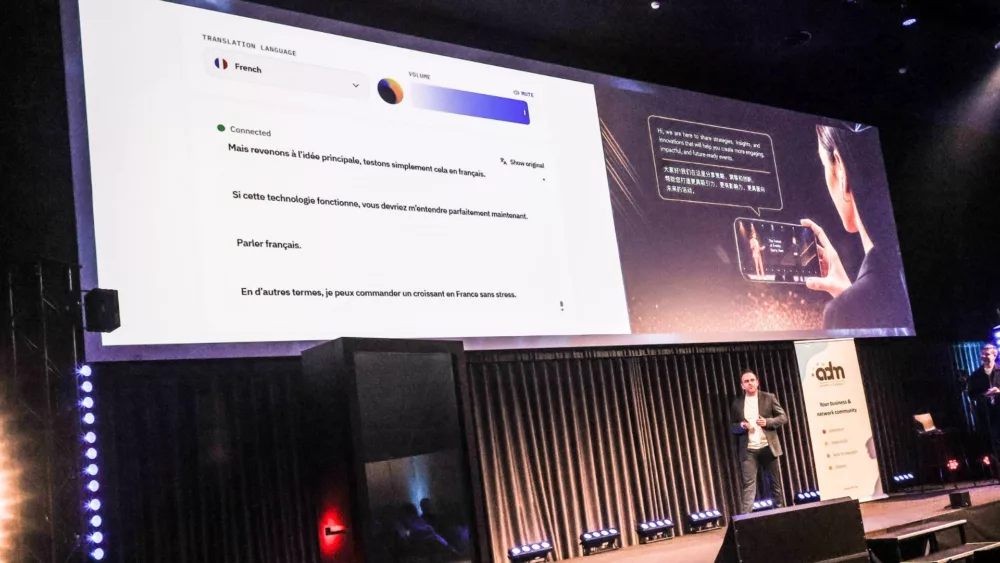
Steve demonstrated exactly that with one of the most practical applications already available today: AI-powered live translation.
Speakers can present in their native language while attendees follow along through subtitles or audio in their preferred language, all on their own device.The AI models can be trained on industry-specific terminology, company names and event context, dramatically improving translation quality. Add AI voice cloning to the mix, and speakers can even deliver multilingual keynotes in real time, without speaking another language.
The result? Fewer barriers, smoother communication and events that can effortlessly reach an international audience.
Different generations don't just consume information differently, they expect completely different experiences.
Younger generations expect instant information, seamless digital experiences and a high degree of personalisation. They're spending less on everyday essentials, but more on “mini-luxuries”. At the same time, lifestyles are changing. More people are delaying parenthood, or choosing not to have children altogether, giving rise to new audience profiles such as DINKWADs (Double Income, No Kids, With A Dog).
The message for event organisers? Understanding who's in the room has become just as important as knowing how to engage them.
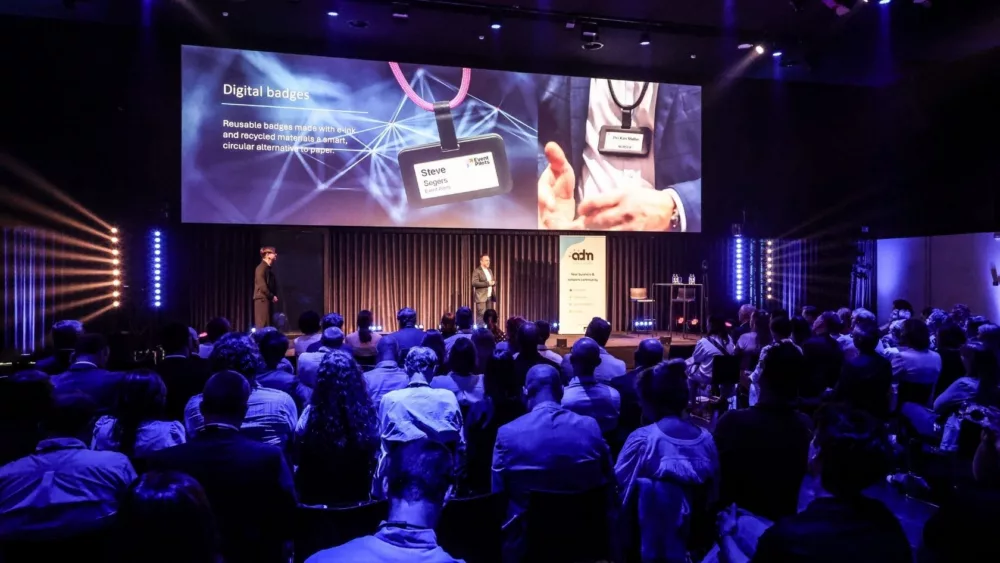
To meet the growing demand for real-time information and personalisation, Steve would suggest introducing the digital badge at your next event. More than of a static name tag, it becomes a live communication tool: content and branding can be updated instantly, while future versions will even enable payments and effortless networking with a simple tap.
While the world is getting louder, people are looking for quiet.
Our world has become more stimulating than ever. As Tom explains, people are constantly exposed to screens, information, notifications and distractions, making attention one of today's most valuable currencies.
For event organisers, that raises an important question: how do you create experiences that not only capture attention, but genuinely resonate with how people feel?
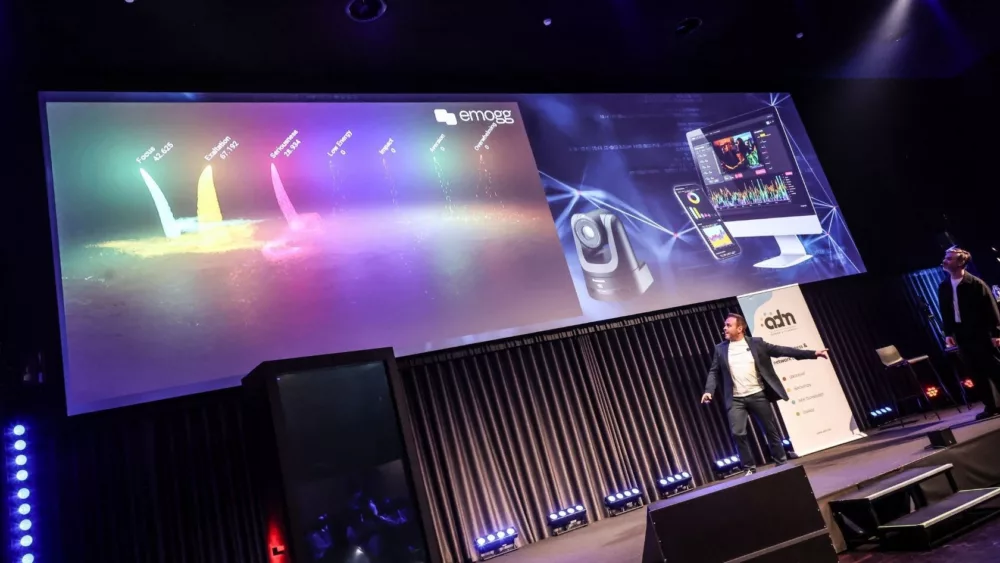
That's exactly where Emogg comes in. This AI-powered emotion tracking tool anonymously analyses audience engagement through facial expressions and body language, giving organisers objective insights into what resonated, where attention dropped and which moments had the biggest impact.
Steve demonstrated how these live insights can even help speakers adapt their presentation in real time, keeping energy and engagement high throughout the session.
Anonymous, fully GDPR-compliant and surprisingly human: technology helping organisers understand not just what people saw or heard, but how they felt.
To be successful, is to embrace the Digital-Human paradox.
Perhaps the biggest takeaway of the evening was that the future belongs to those who embrace the Digital-Human paradox. Yes, we're experiencing digital fatigue. But that doesn't mean we need less technology. Quite the opposite.
Technology becomes more valuable than ever when it strengthens human experiences instead of competing with them. Technology shouldn’t be seen as the goal, but as an enabler to create more and amplify human experiences.
That philosophy extends beyond AI or event technology alone. It also shapes something as fundamental as the choice of venue. A venue isn't simply a location where an event takes place: it's a medium that helps people experience the story.
BluePoint's Marco Polo Hall proves exactly that. A seamless combination of content, lighting, sound and immersive visuals transformed Tom and Steve's keynote into an experience rather than just a presentation.
One final reminder
The future isn't something to fear, it's something to explore. Rather than becoming overwhelmed by global trends we can't control, we encourage you to experiment with the changes you can influence. Try new technologies. Learn by doing. Because when people feel they have agency, they embrace change instead of resisting it.
Special thanks to ADM, Tom Palmaerts and BluePoint Antwerp.